Інтерактивний урок
Future Perfect Continuous
Зрозумілий розбір майбутнього доконаного тривалого часу: три схеми, шість прикладів, чотири короткі тести та хвилинне відео англійською із субтитрами.
1
Стверджувальне речення
У ствердженні називаємо виконавця та саму дію. Стежте за формою смислового й допоміжного дієслова.
Формула: Subject + will have been + verb-ing
I will have been studying for a year.Стверджувальний приклад 1.
She will have been working here for a decade.Стверджувальний приклад 2.
Складіть своє речення з одним із дієслів
2
Заперечне речення
Для заперечення додаємо not до допоміжного дієслова. Основне дієслово зберігає форму, зазначену в схемі.
Формула: Subject + will not have been + verb-ing
I will not have been studying for a year.Заперечний приклад 1.
She will not have been working here for a decade.Заперечний приклад 2.
Складіть своє речення з одним із дієслів
3
Питальне речення
У загальному запитанні ставимо допоміжне дієслово перед підметом, а потім використовуємо решту присудка.
Формула: Will + subject + have been + verb-ing?
Will you have been studying for a year?Питальний приклад 1.
Will she have been working here for a decade?Питальний приклад 2.
Складіть своє речення з одним із дієслів
Читаємо англійською
Wellington: A Windy Week by the Harbour

- By Friday, Ava will have been staying in Wellington, the capital of New Zealand, for one week.
- She will have been waking to views of the harbour and green hills each morning.
- The famous wind will have been making the changing weather easy to notice.
- Ava will have been riding the red cable car between the centre and higher neighbourhoods.
- She will have been walking because the compact centre keeps many places close together.
- Runners will have been following the waterfront paths before work.
- Cyclists will have been commuting around the bays.
- Market growers will have been selling vegetables, apples, bread and local honey.
- Cafés will have been serving the strong coffee for which Wellington is well known.
- Ava will have been tasting seafood and colourful vegetable dishes.
- People will have been greeting her with “Kia ora”, a Māori expression used for hello and thanks.
- She will have been learning to respect Māori names and stories connected to the land.
- Families will have been visiting Zealandia, an urban sanctuary for native wildlife.
- Ava will have been carrying a light rain jacket and reusable bottle on every walk.
- Wellington will have been showing her how culture, nature and active travel meet beside the sea.
Переклад українською
- До п'ятниці Ава буде залишатися в Веллінгтоні, столиці Нової Зеландії, на тиждень.
- Щоранку вона буде прокидатися з видом на гавань і зелені пагорби.
- Відомий вітер допоможе легко помітити зміну погоди.
- Ава їздила на червоній канатній дорозі між центром і вищими районами.
- Вона йшла пішки, тому що компактний центр утримує багато місць близько одне до одного.
- Перед роботою бігуни пройдуть набережними.
- Велосипедисти їздитимуть навколо заток.
- Виробники ринку продаватимуть овочі, яблука, хліб та місцевий мед.
- У кафе подавали міцну каву, якою добре відомий Веллінгтон.
- Ава куштувала морепродукти та яскраві овочеві страви.
- Люди вітали її «Kia ora», вираз маорі, який використовується для привітання та подяки.
- Вона навчиться поважати імена маорі та історії, пов’язані з землею.
- Сім'ї відвідуватимуть Зеландію, міський заповідник дикої природи.
- На кожній прогулянці Ава носитиме з собою легкий дощовик і багаторазову пляшку.
- Веллінгтон покаже їй, як культура, природа та активні подорожі зустрічаються біля моря.
Слухаємо англійську
Відео за темою
Tic-tac-toe
Гра «Хрестики-нулики: Future Perfect Continuous»
Грайте двома командами. Оберіть клітинку та складіть англійське речення із зазначеним словом у часі Future Perfect Continuous. Перевірка зарахує хід, якщо слово й базову конструкцію використано правильно.
Хід команди X — Оберіть вільну клітинку
Grammar investigation
Граматичне розслідування: Future Perfect Continuous
Дослідіть шість локацій, миттєво перевіряйте граматичні версії та збирайте докази. Після останнього етапу визначте, хто зберігає правильне правило.
Справа про загублену лінію часу: Future Perfect Continuous
У навчальній системі пошкоджено файл теми «Future Perfect Continuous». Троє агентів пропонують різні способи відновлення. Знайдіть шість правильних фрагментів і встановіть, кому можна довірити правило.
Зібрано доказів 0/6
Свідчення підозрюваних
Casey
хранитель часуI keep the correct pattern in every grammar file.Morgan
архіваріусI change auxiliaries whenever I want.Riley
репортерI mix statements, negatives, and questions.Архів прикладів
У папці лежать три версії фрази. Лише одна відповідає правилу теми.
Verified grammar: I will have been studying for a year.
Кімната маршрутів
Щоб пройти далі, відновіть правильну конструкцію речення.
Verified grammar: She will have been working here for a decade.
Кодовий термінал
Термінал приймає лише граматично правильну комбінацію.
Verified grammar: I will not have been studying for a year.
Студія свідчень
Порівняйте записи та знайдіть свідчення без граматичної помилки.
Verified grammar: She will not have been working here for a decade.
Лабораторія слів
Перевірте, яка формула зберігає зміст і форму теми.
Verified grammar: Will you have been studying for a year?
Центр спостереження
Останній фрагмент справи відкриється після правильного аналізу.
Verified grammar: Will she have been working here for a decade?
Хто забрав значок?
Banana game
Banana game: таємниці природи
Відновіть шість конструкцій у правдивих реченнях про тварин і природу. Після кожної правильної відповіді відкриється коротке пояснення. Потім створіть власну загадку за темою уроку.
Зібрано бананів: 0/6

By dawn, the owl BANANA hunting for several hours.
Переклад: До світанку сова полюватиме кілька годин.

By spring, the bear BANANA hibernating for months.
Переклад: До весни ведмідь буде зимувати місяцями.

By landfall, the albatross BANANA gliding above the ocean for days.
Переклад: До моменту виходу на берег альбатрос протягом декількох днів ковзатиме над океаном.

By the dry season, the camel BANANA travelling across desert for weeks.
Переклад: До сухого сезону верблюд подорожуватиме пустелею протягом тижнів.

By the end of migration, salmon BANANA swimming upstream for days.
Переклад: До кінця міграції лосось буде плавати вгору за течією протягом декількох днів.
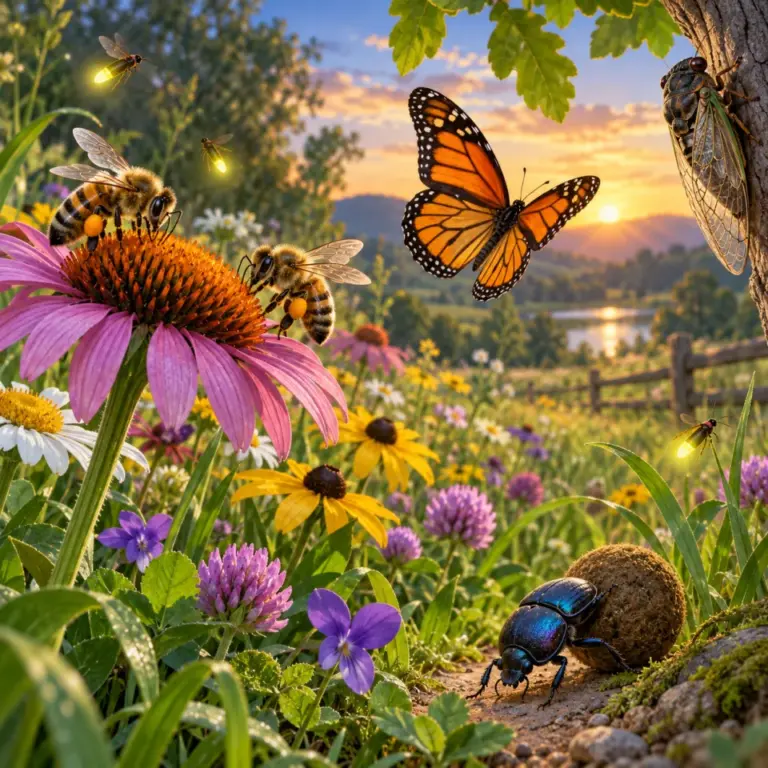
By sunset, the bees BANANA collecting nectar since morning.
Переклад: До заходу сонця бджоли збиратимуть нектар з ранку.
Створіть власний факт-загадку
Оберіть природниче слово й складіть із ним англійське речення за граматичною темою уроку. Гра приховає слово, а вчитель спробує його відгадати.
Grammar Quest
Grammar Quest: шлях до фінішу
Кидайте кубик, рухайте фішку та виконуйте завдання клітинки. Правильна відповідь відкриває наступний хід, а миттєва підказка допомагає виправити помилку.
Ви на старті. Киньте кубик!
- 🚩Старт
- Вставте слово
- Вставте слово
- Вставте слово
- Вставте слово
- Вставте слово
- Вставте слово
- Виправте
- Перекладіть
- Виправте
- Перекладіть
- Виправте
- Перекладіть
- 🏆Фініш
Нагорода отримана
Ви — чемпіон граматики!
Вітаємо! Ви дісталися фінішу, виконали всі завдання на своєму шляху та заслужили три зірки.
Grammar ChampionSentence Run
Граматичний забіг за темою
Визначте, чи правильно побудоване кожне речення. Ліворуч — помилка, праворуч — правильна конструкція.